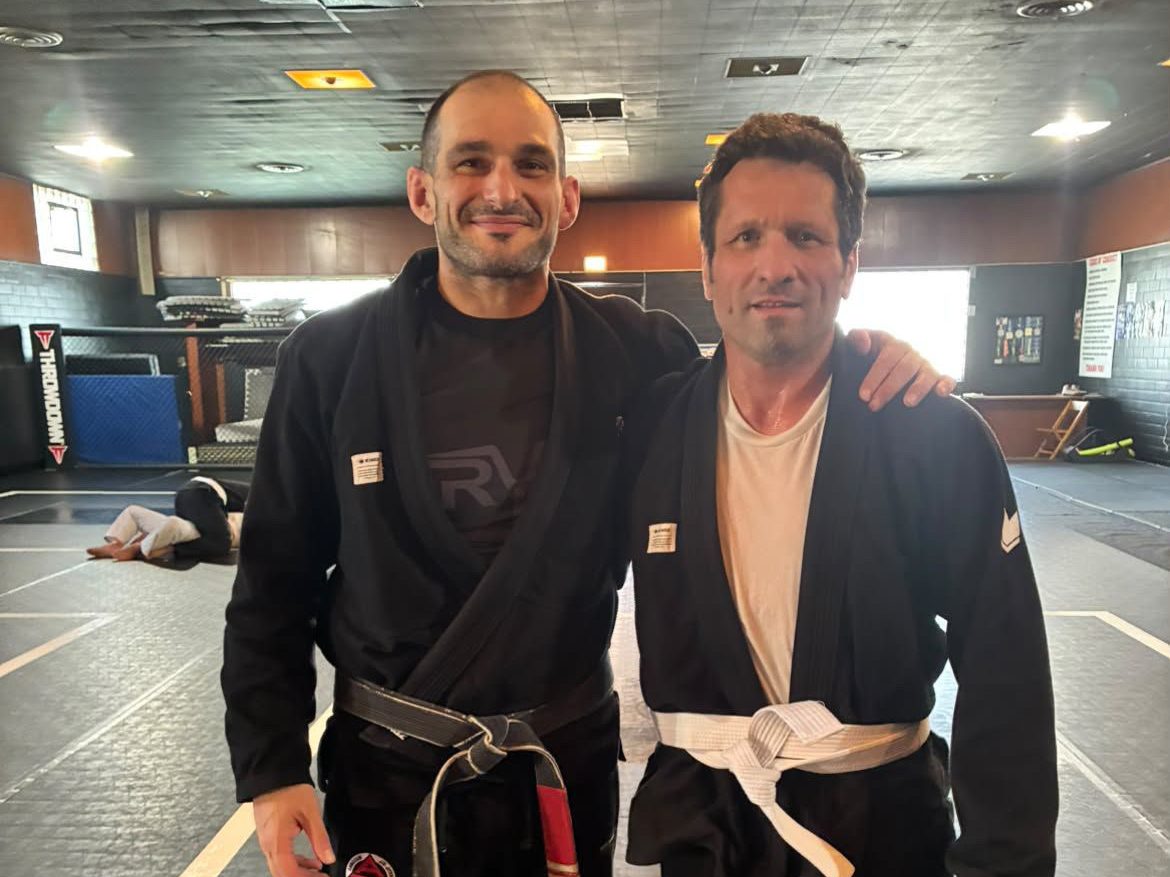
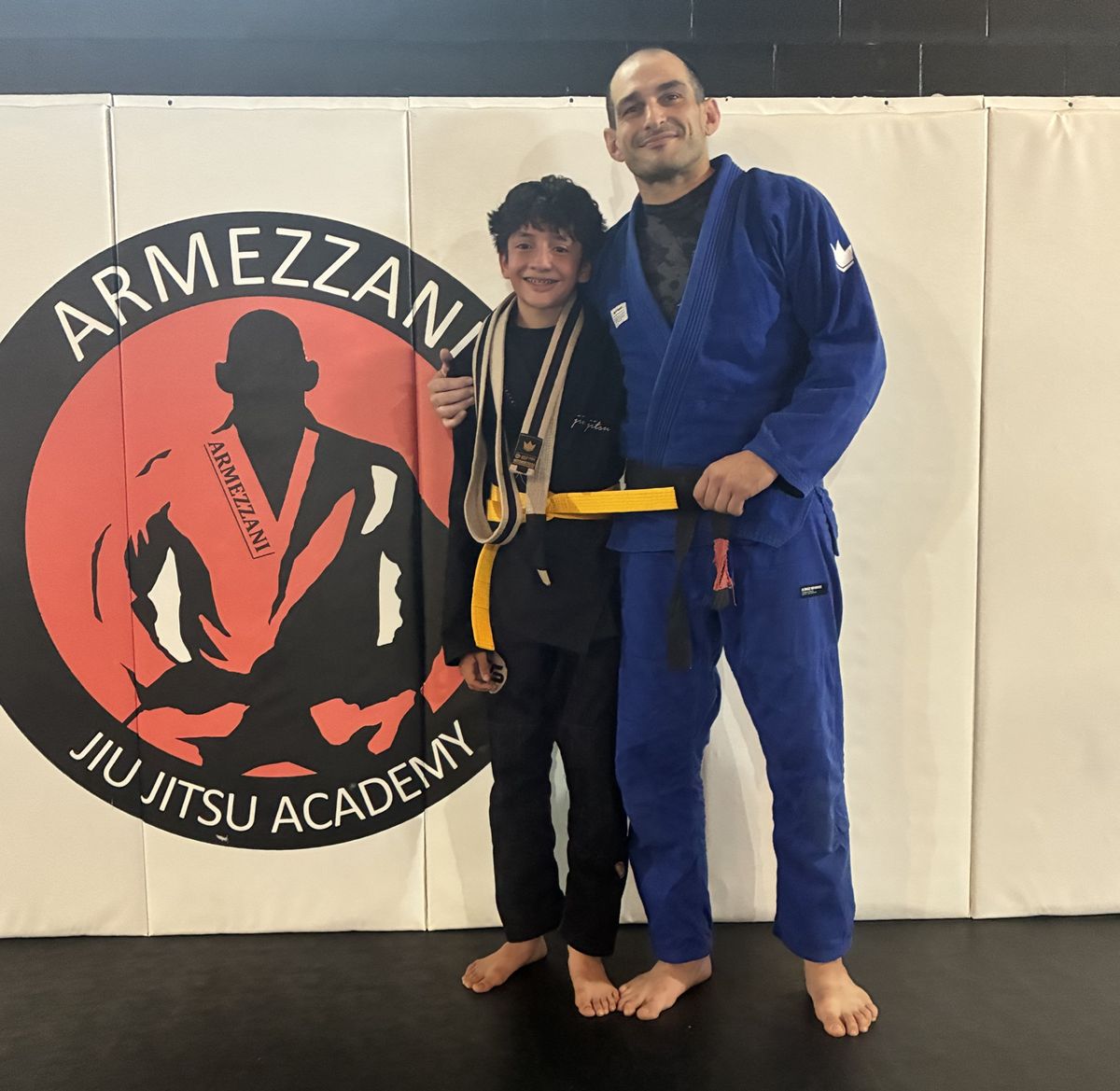
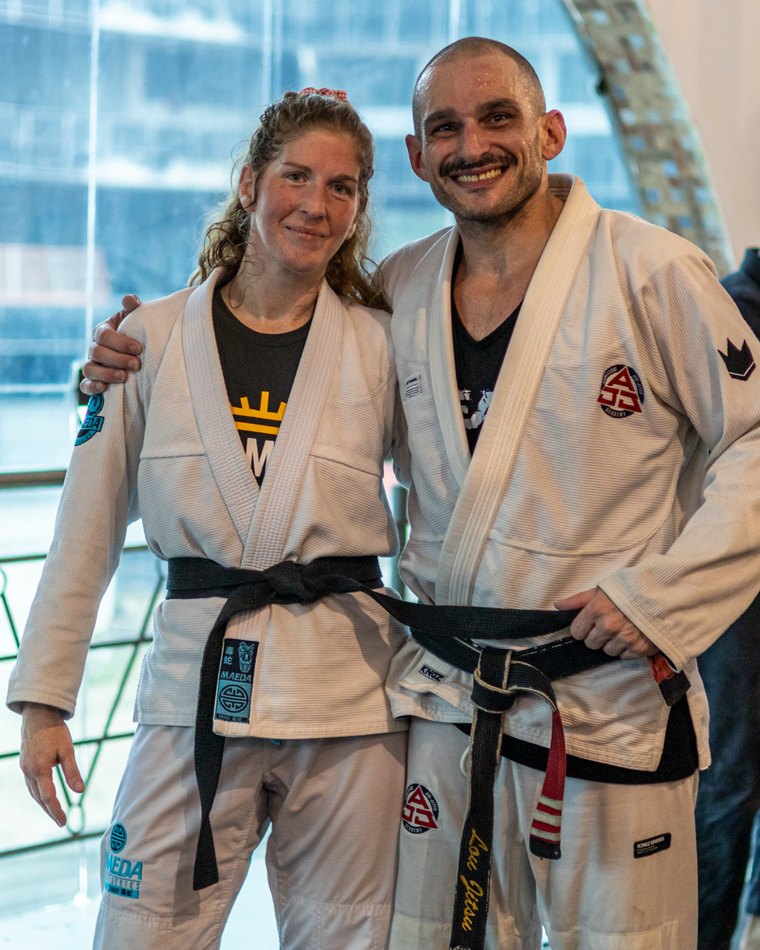
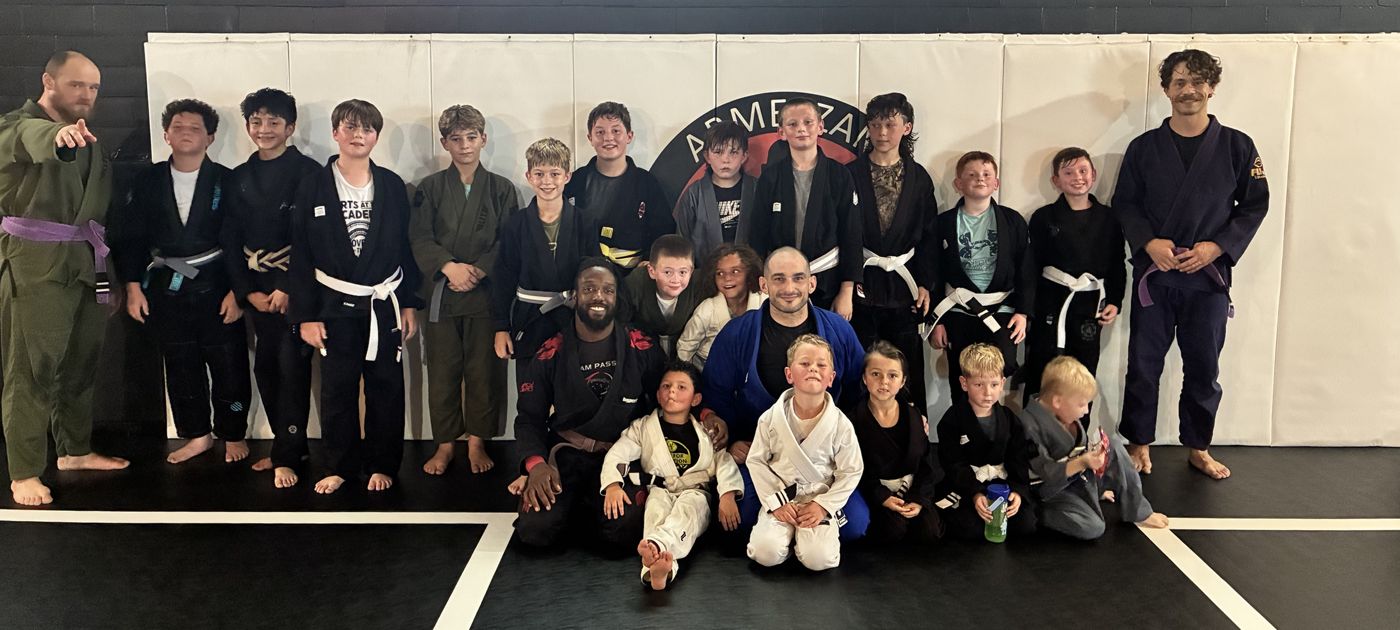
November 18, 2026Never Trained Before? What Your First Six Weeks of Jiu-Jitsu Look Like
Read article
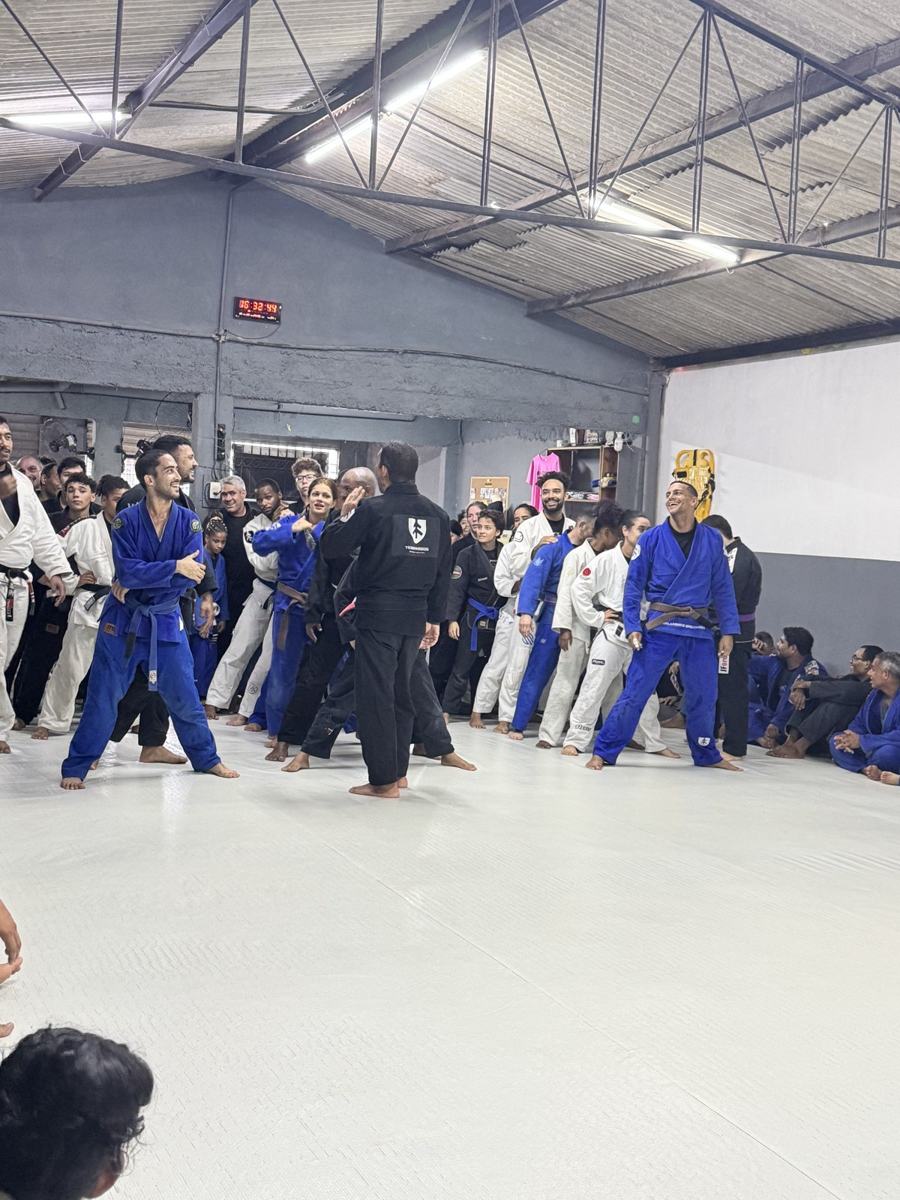
The hardest part of jiu-jitsu is walking through the door the first time. After that, most people are surprised by how fast things start to change. Here's what the first six weeks usually look like for a complete beginner.
Before your first class. You fill out our short questionnaire so Professor Lou knows your goals, your experience and your schedule. Then you pick your Beginner's Class online. Arrive about 15 minutes early, wear athletic clothes, and we'll loan you a gi.
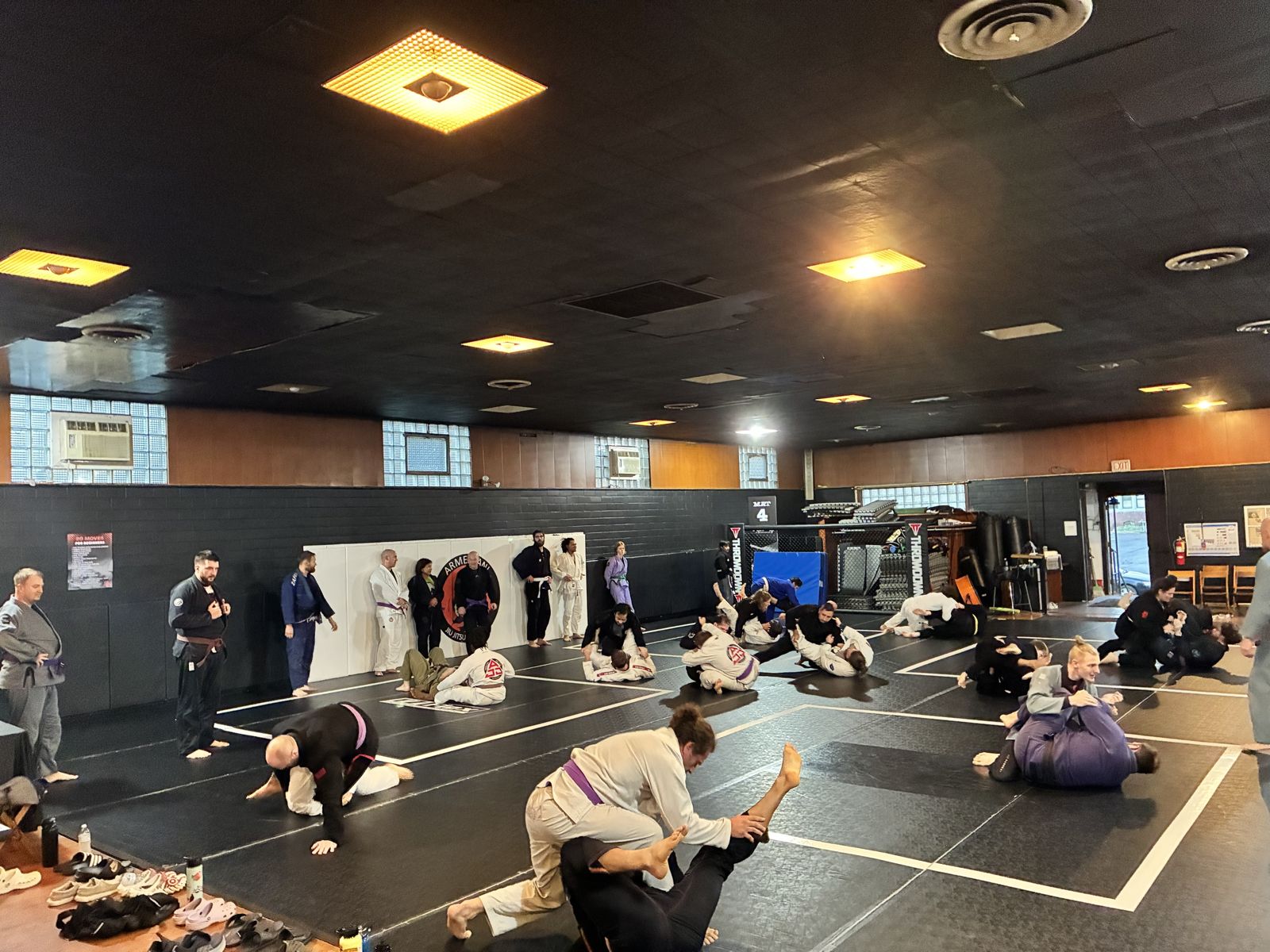
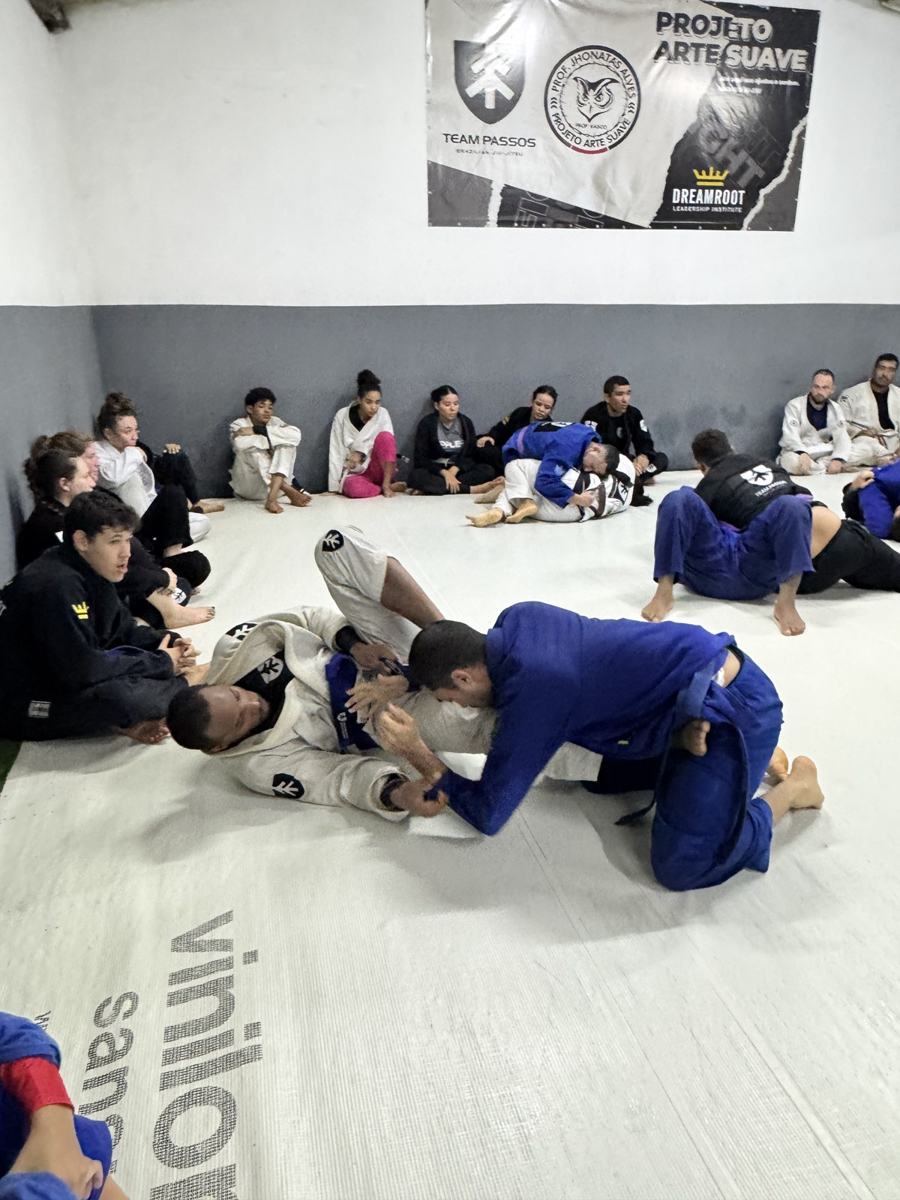
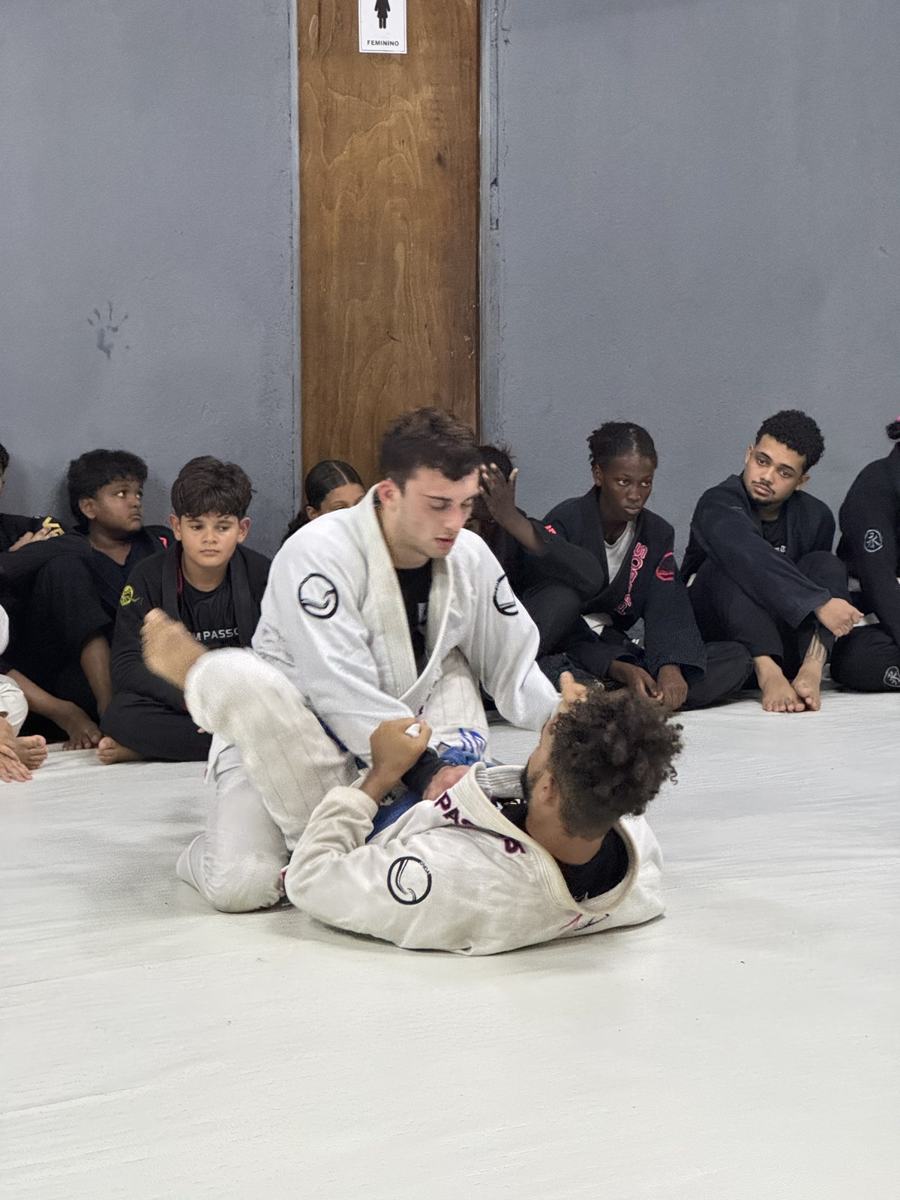
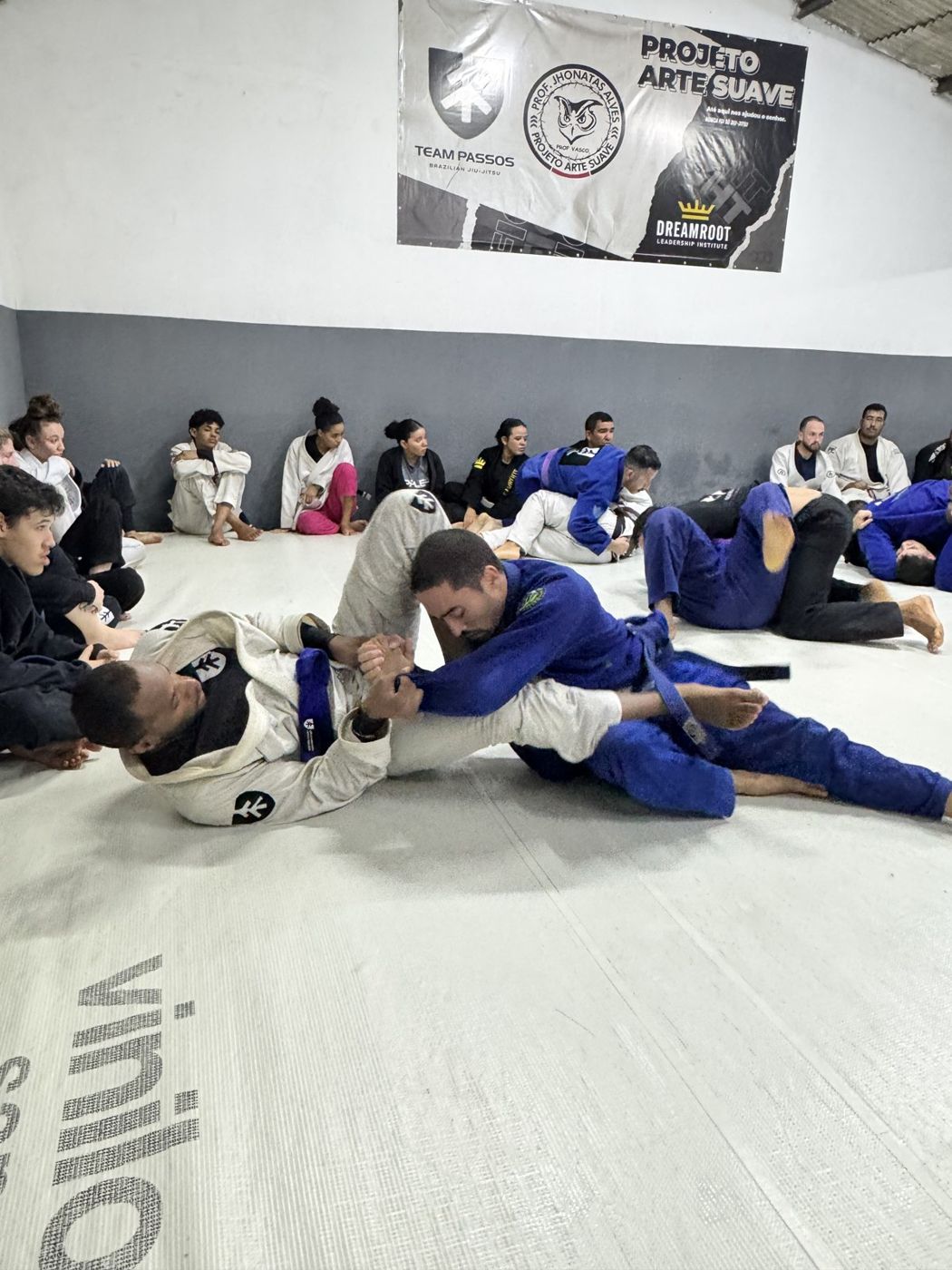
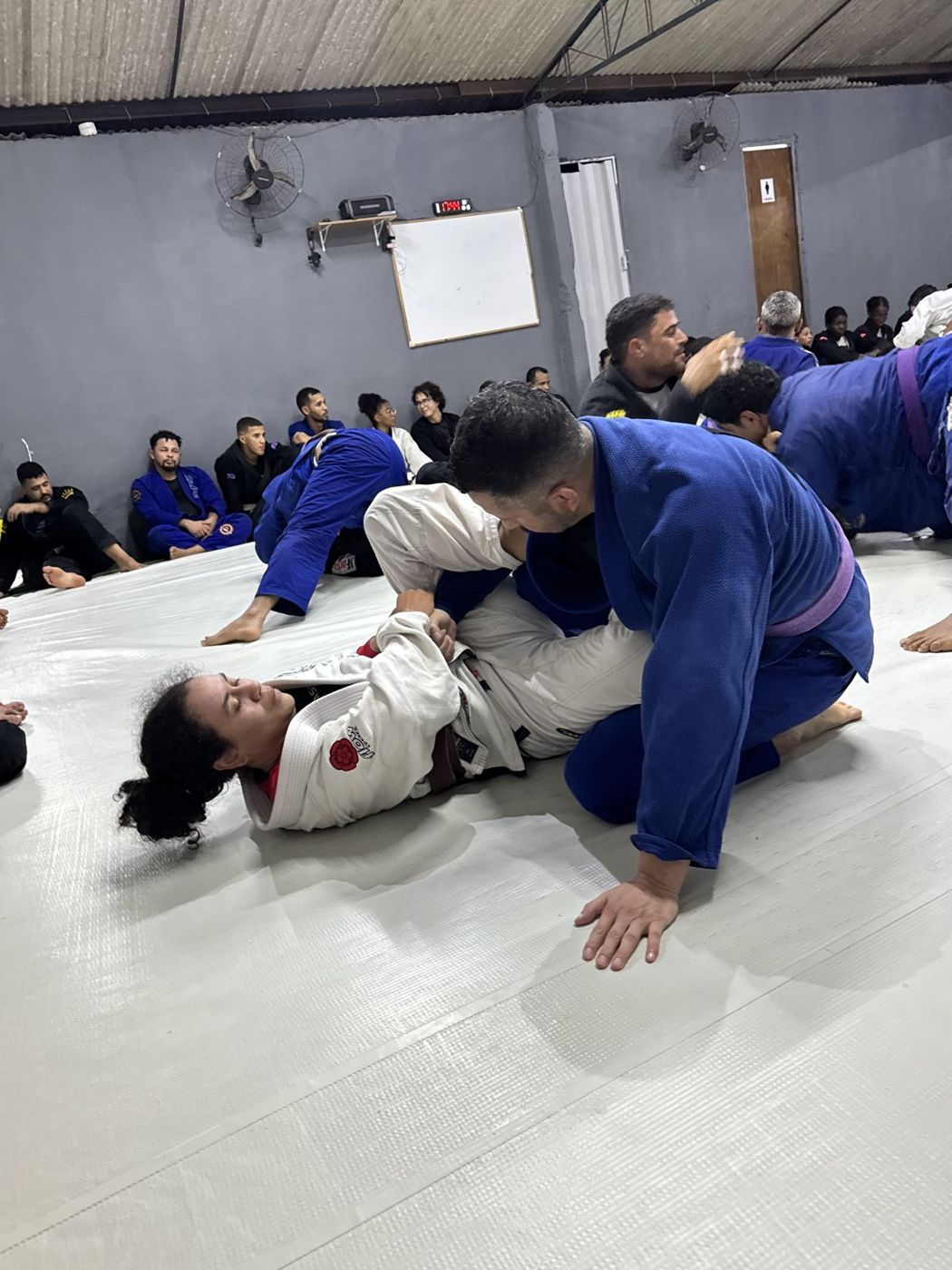
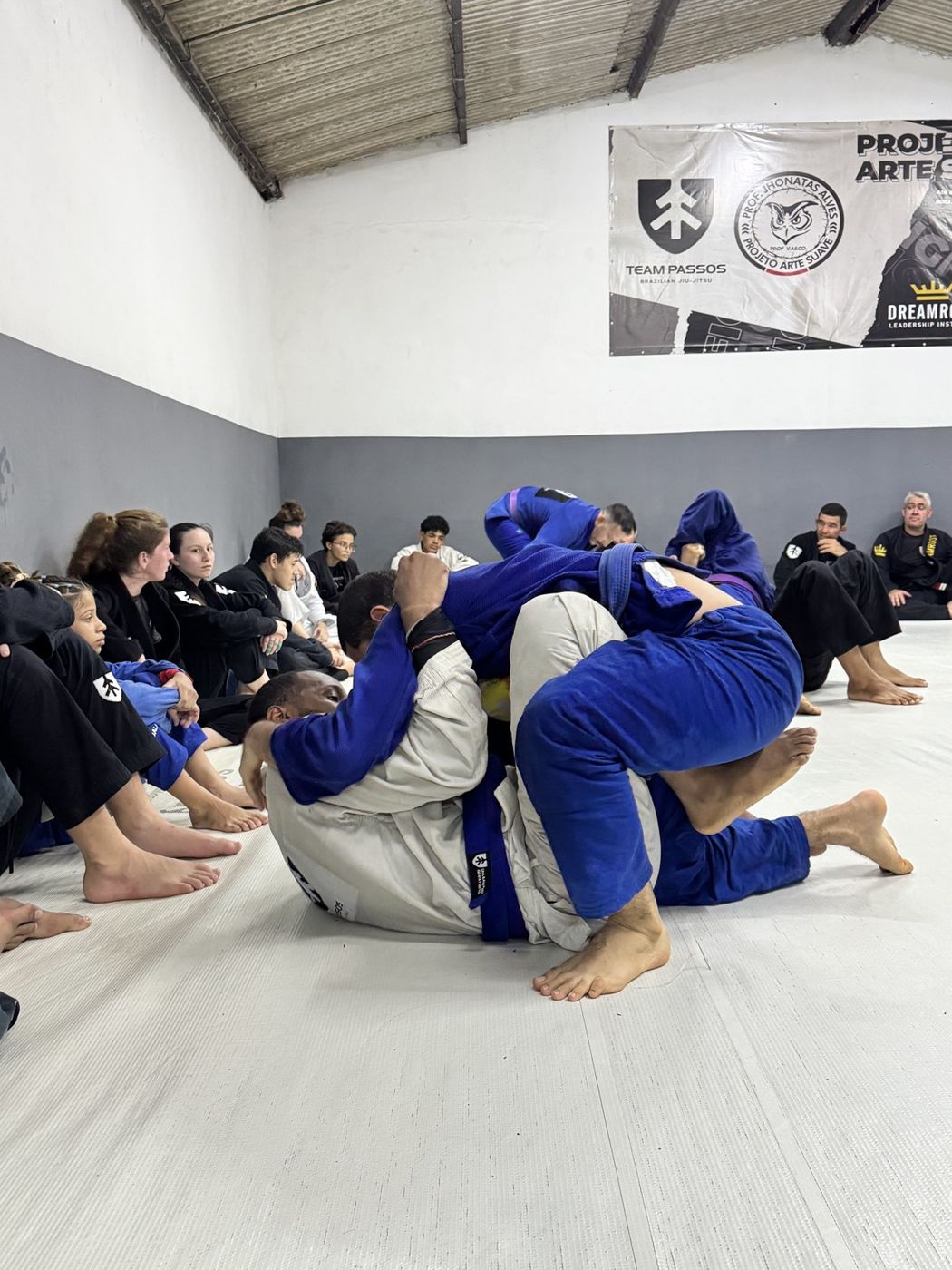
Week one. There's no live rolling on day one. You learn how to move on the mat, how to stay safe, and a few basic positions, with a coach right there the whole time. You'll be tired and probably a little sore. That's normal.
Weeks two and three. The movements start to feel familiar. You recognize faces, people learn your name, and the warm-up stops feeling like the workout. Showing up two or three times a week is what makes this part click.
Weeks four through six. This is where people notice the change: better sleep, more energy, clothes fitting differently, and a calm confidence that comes from doing something hard on purpose. Parents see the same thing in their kids, with more focus and more confidence at home and at school.
That's why we built the 6-Week Transformation Challenge: 18 classes, three a week, with a team behind you. Whether you join the challenge or just want to try a class, the first step is the same. Start with the questionnaire and we'll take it from there.
January 25, 2026The Positive Effects of Martial Arts for a Child in School
Read article
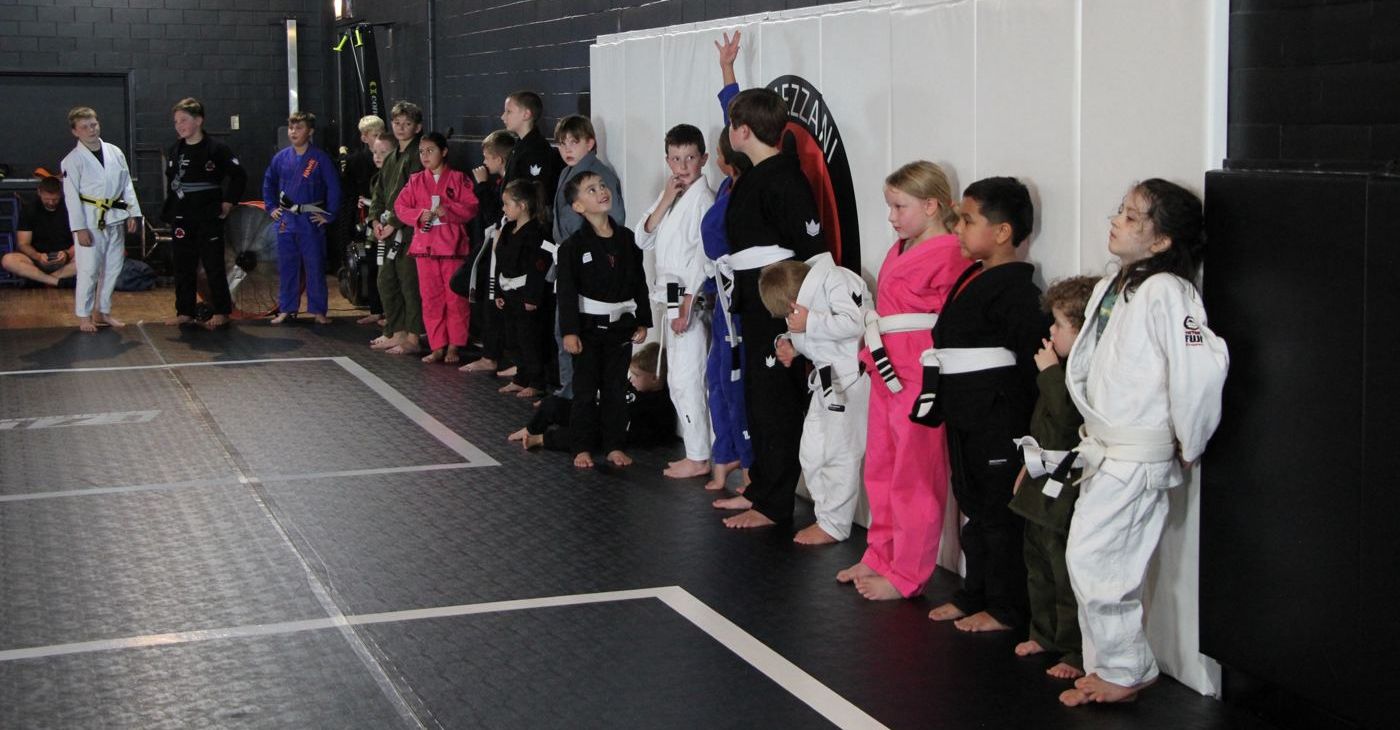
School asks a lot of kids. Beyond reading and math, they have to learn how to sit still, follow directions, make friends and handle frustration. Martial arts trains every one of those skills.
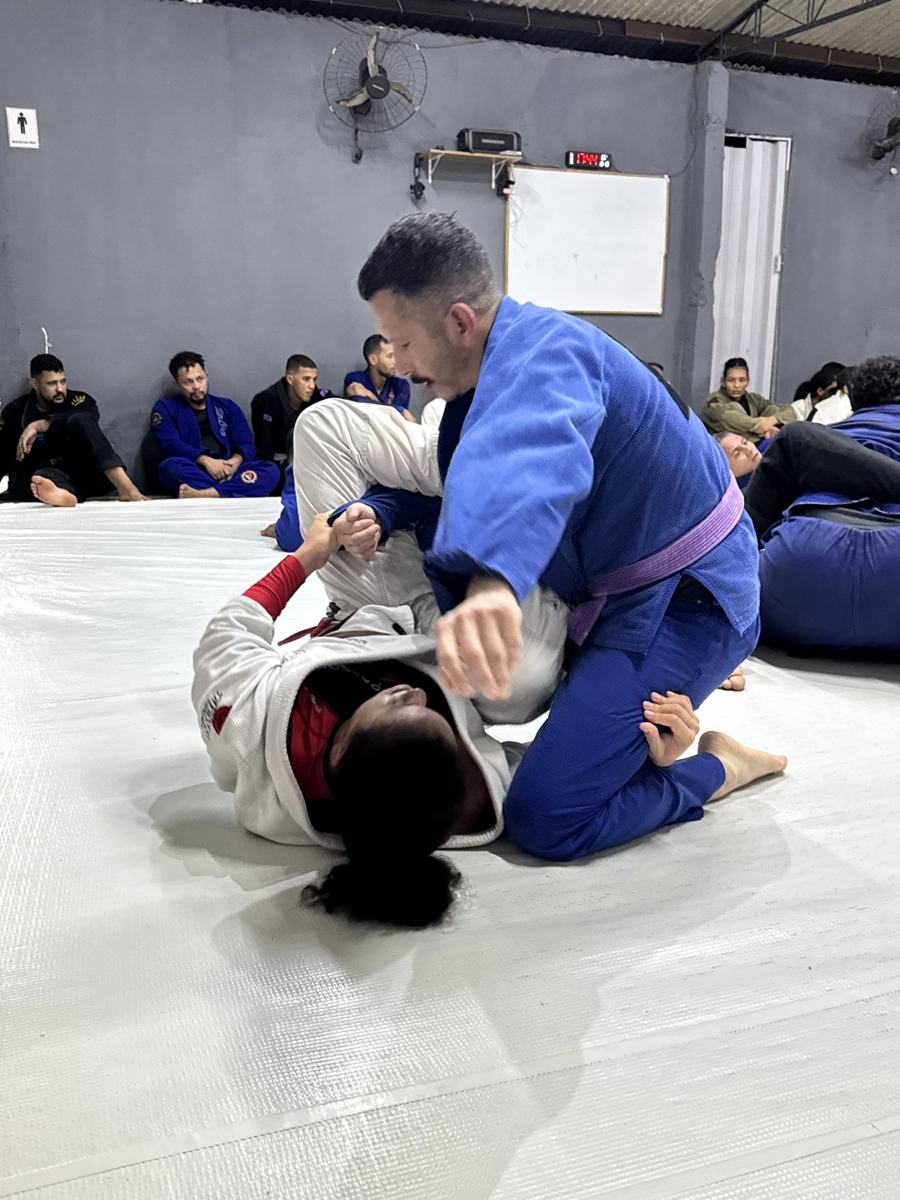
In a kids jiu-jitsu class, children listen to a coach, wait their turn, and practice a technique until they get it. That kind of focus carries straight into the classroom. Earning stripes and belts teaches them that steady effort pays off, which is the same lesson behind good grades.
Jiu-jitsu also builds confidence without aggression. Kids learn to stay calm when things get hard, to control a situation instead of panicking, and to treat training partners with respect. Parents often tell us their kids come home calmer and more focused.
If your child is ready to build focus, respect and confidence, start with our questionnaire and we'll set up a Beginner's Class.
February 20, 2026Finding Harmony: Martial Arts as a Path to Balance and Well-Being
Read article
People look for balance in a lot of places: meditation, yoga, long walks. Martial arts offers something those don't, which is a challenge that demands your full attention.
When you're on the mat working through a position, there's no room to think about work or bills. That focus is its own kind of rest. You leave class tired in the body and clear in the head.
Training also builds steady habits. Showing up two or three times a week, learning a little more each time, and working through tough rounds teaches patience and resilience that spill into everyday life.
Jiu-jitsu isn't just exercise. It's a practice. If you're looking for more balance, our Beginner's Class is a good place to start.
March 14, 2026Protect Your Heart with Martial Arts
Read article
Regular exercise is one of the best things you can do for your heart, and martial arts makes it hard to skip a workout because it never feels like one.
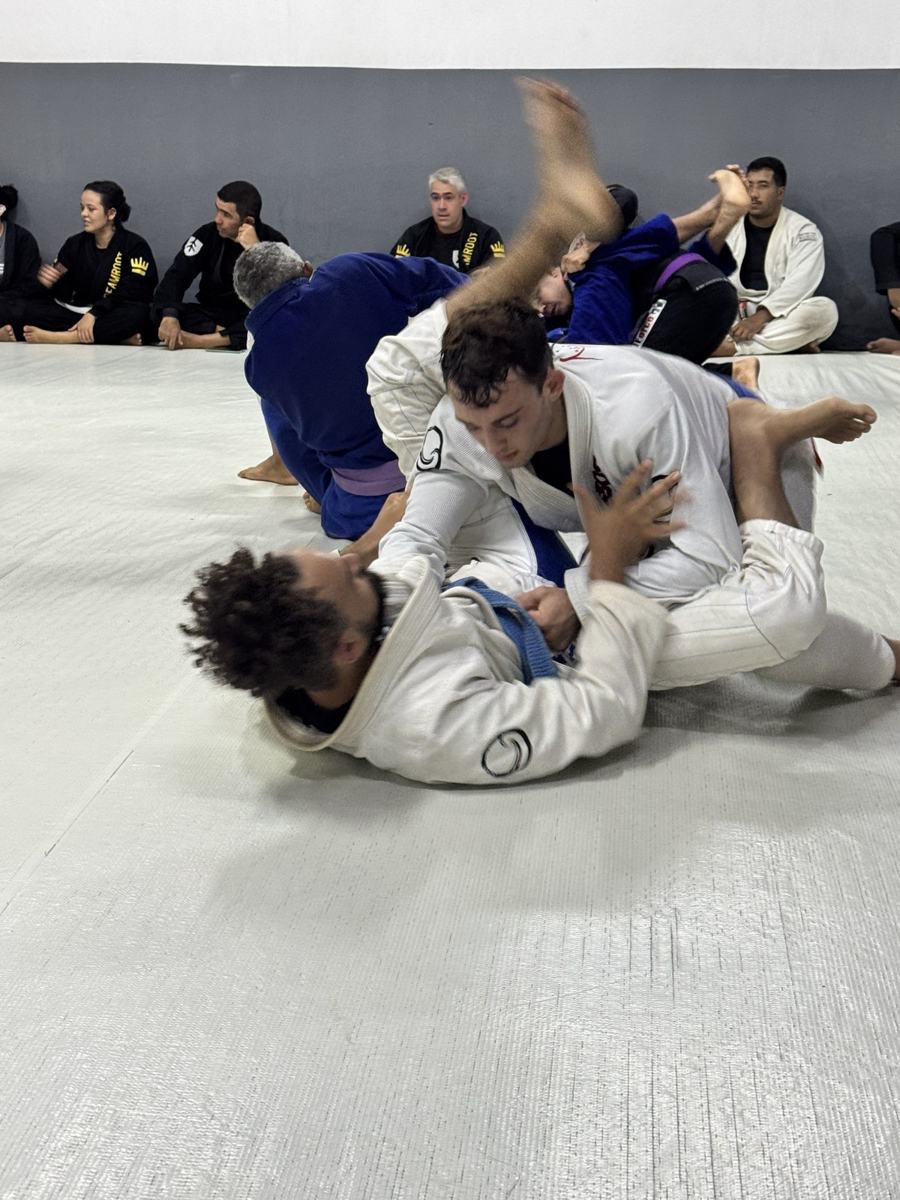
A jiu-jitsu or striking class mixes steady movement, short bursts of hard effort and recovery, which keeps your heart working across a whole session. Over time, that kind of training helps build cardiovascular fitness, strength and endurance.
Stress plays a role in heart health too, and the mat is a great place to let it go. Add a supportive team that expects to see you, and you have a routine you'll actually keep.
Check with your doctor before starting any new exercise program, then come try a Beginner's Class. It's paced for people who have never trained.